
Before Rebuilding the Live System, I Looked at What Was Failing
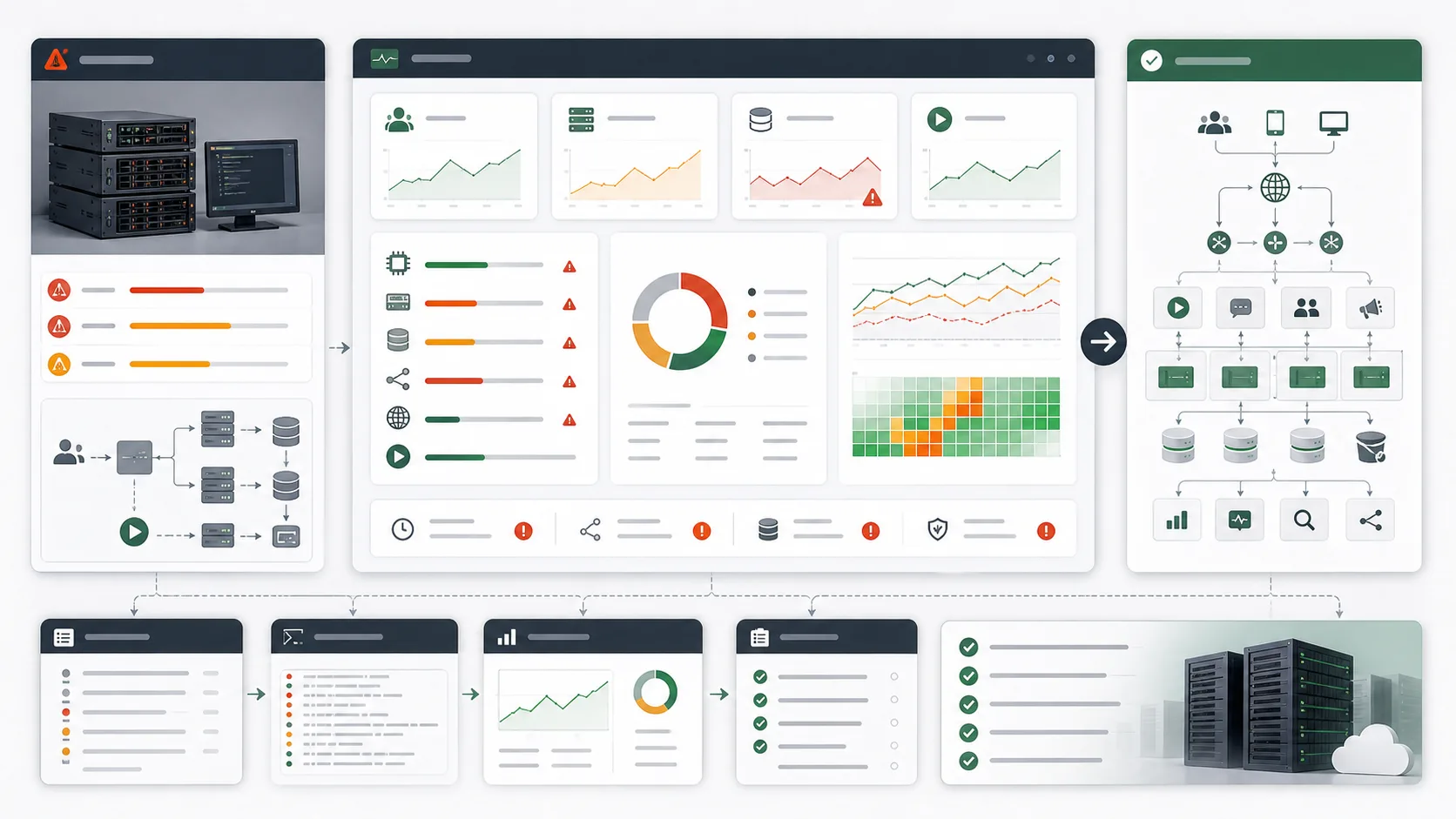
When I started rebuilding the live streaming system, I did not begin by writing new features. The old system had already run for a while and left behind real data: visits, live sessions, comments, and online-user behavior. For me, those operational traces mattered more than the new stack.
The biggest risk in a rebuild is only changing the technology. The pages look newer and the code looks cleaner, but the old problems remain misunderstood.
I First Looked at What Actually Ran
The old system could tell me many things: which pages were used often, which entry points failed, which statistics were inaccurate, which admin operations felt awkward, and which features were rarely used.
This information is not usually written in a requirement list, but it decides rebuild priority. If users mainly enter from mobile, the viewer side cannot be designed only for desktop. If comments and online counts are important to operations, they are not minor features. If admin maintenance is expensive, backend boundaries have to be clearer.
Rebuilding Is Not Rewriting Everything
I do not see rebuilding as "writing all old features again with a new stack". A rebuild should answer where the old system can no longer hold.
Is cost hard to control? Is code boundary messy? Is the viewer side too coupled with the backend? Are realtime capabilities unreliable? Are statistics unclear? Is deployment harder over time?
If these questions are not separated, the new system may look smooth early on and then return to the same state later.
Frontend and Backend Boundaries Need to Be Redrawn
In older systems, many features may live inside the same application. That is fast early on. During a rebuild, I re-check which capabilities should stay in the backend, which should become an independent viewer frontend, and which APIs should become stable.
In a live streaming system, admin management, viewer pages, comments, presence state, room configuration, push callbacks, and history records change at different speeds. Binding all of them together makes later maintenance heavier.
Once the boundary is clearer, the backend can focus on rooms, permissions, events, and data. The frontend can focus on playback experience, mobile access, and interaction.
Old Data Should Guide the Rebuild
I trust rebuild plans less when they are based only on imagination. The old system's traffic, sessions, user behavior, and maintenance problems are better evidence for what the new system should solve.
The data may not be perfect, but it is more reliable than a blank assumption. It tells me what deserves rebuilding, what should be kept, and which features looked important but were rarely used.
The First Step Is Restraint
The live system rebuild reminded me that the first step of a rebuild is restraint.
Look at the old system before adding features. Confirm real problems before changing frameworks. Stabilize the core chain before polishing the surface. That is how a rebuild becomes a system upgrade instead of a new decoration.