
Repeated Projects Force Tools to Surface
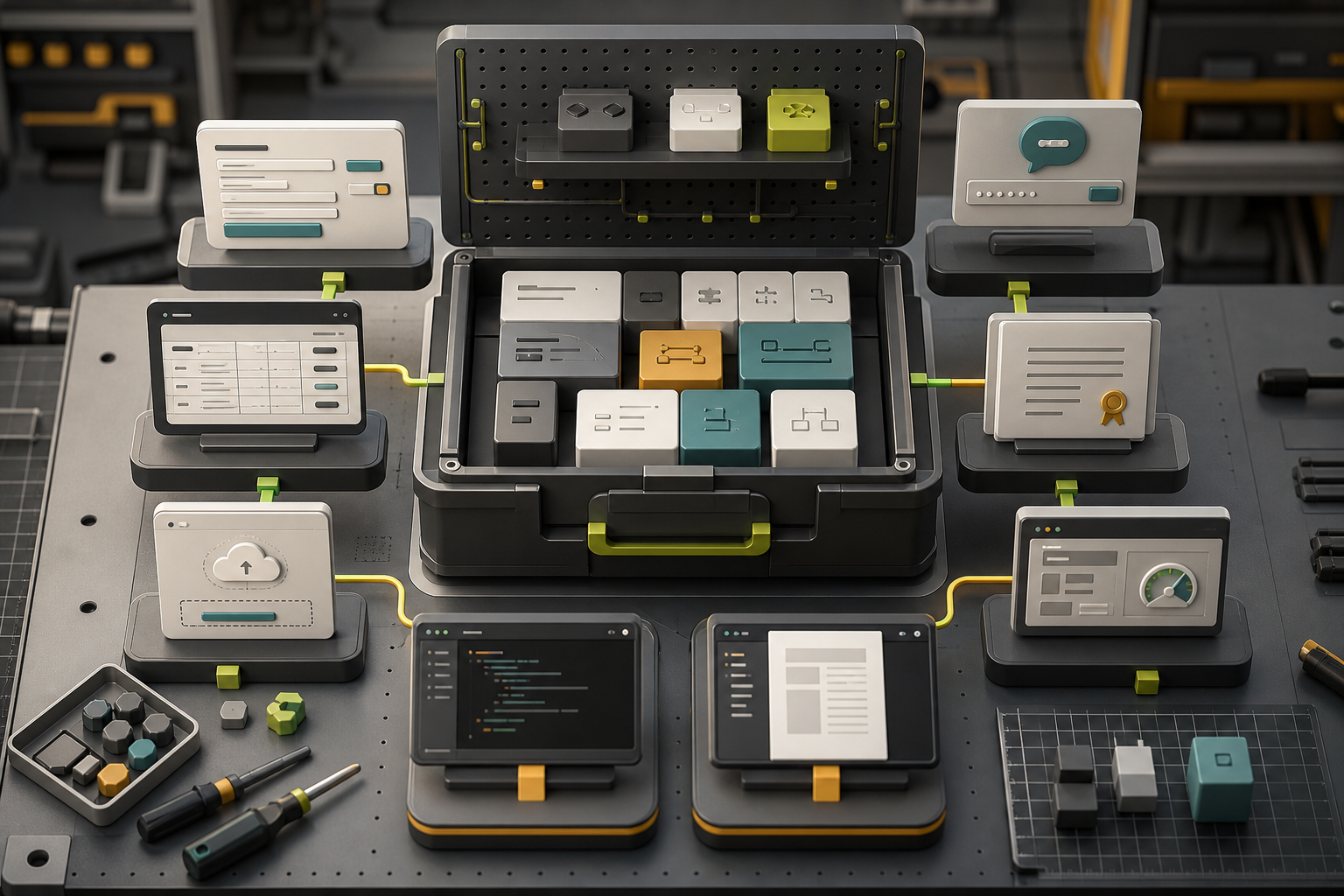
I did not start out wanting to extract everything into tools. In early projects, the most direct path was usually to write the feature inside the current system: send the verification code, upload the file, render the table, optimize WordPress, request the certificate, and ship the project.
After enough projects, repetition becomes hard to ignore. The same SMS flow, upload endpoint, admin table, editor, WordPress optimization, or certificate logic appears again and again. Rewriting it each time wastes more than code. It wastes judgment.
A Package Should Start From Repeated Friction
I see tools as the result of repeated project friction, not as technical display.
SMS verification is a good example. Aliyun and Tencent drivers, code generation, cache TTL, one-time validation, and fixed local-environment codes show up across projects. If each project writes them separately, details drift: cache keys differ, expiration is unclear, codes are not cleared after validation.
After extracting it into a Laravel package, projects only need to care about sending and checking codes. The driver and cache rules live together. It is not complex, but it removes repeated decisions.
Uploads Need to Handle Duplicate Files Early
Upload features are easy to underestimate.
Admin systems receive images, files, editor attachments, and sometimes remote images. If files are only saved by original name, duplicate uploads, overwrites, path disorder, and editor output all become later problems. In the uploader package, I care about hash-based deduplication, date-based directories, media metadata, and output that an editor can use directly.
The value is not "upload a file". The value is making the way files enter different systems consistent.
WordPress Optimization Fits a Plugin Boundary
WordPress projects also repeat many small decisions: disable comments, emoji, pingbacks, XML-RPC, clean the head output, adjust uploads, replace slow resources for domestic access, and simplify backend behavior.
If those changes live inside theme functions, they become hard to maintain. Once they are plugins, site customization and runtime optimization are separated. The theme handles expression. The plugin handles operational habits.
That gave me a clearer boundary when doing WordPress customization: not everything belongs in the theme. Anything that represents a reusable runtime policy should have its own place.
Frontend Components Are Not Only Visual Consistency
React toolkits often look like UI work: tables, forms, trees, tags, triggers, editors, and PDF previews.
But what I really want to extract is not color or style. It is interaction rules. Tables need query state, URL sync, and batch actions. Forms need modal triggers, validation, and submission behavior. Editors need upload endpoints, content blocks, and rendering. PDF viewers need remote files, toolbars, and viewport height handling.
If those rules are scattered across every backend, each project grows its own tiny convention. A component library is useful because repeated rules converge.
Tools Age Too
Extraction does not make a tool permanent.
Laravel versions change, React component stacks change, WordPress APIs change, and project shapes change. Some older packages are no longer what I would use directly today, but they still matter because they preserve boundary decisions from real work.
I am more restrained about tools now. Not every repetition deserves abstraction, and not every extracted tool should be forced into reuse. The useful ones reduce project uncertainty. They help the next project avoid a known trap, and they let engineering experience live beyond one repository.